


- Saudi Arabia\'s Sustainable Future: 2030 Vision Opened by Sun and Wind

수십 년 동안 수많은 국가들이 지속적으로 비재생 에너지를 사용해 옴으로써 오존층에 구멍을 내고, 지구를 잠재적으로 치명적인 자외선에 노출시켜 왔습니다. 이에 대응하여 사우디아라비아는 지구에 불필요한 피해를 줄이기 위해 청정에너지에 우선순위를 두고 탄소 배출량을 대폭 줄이려는 노력을 하고 있습니다.
중동 지역은 오랫동안 환경 지속 가능성 측면에서 다른 강대국들보다 뒤처졌다는 평판을 받아왔으며, 이는 과거에 어느 정도 정당화된 평가였습니다.
사우디아라비아의 경제는 역사적으로 석유 수출을 중심으로 한 비재생 에너지 자원에 크게 의존해 왔지만, 현대에 이르러서는 2030 비전을 실현하기 위한 다양한 조치를 시행하기 시작했습니다.
이 비전은 전체 에너지의 50%를 친환경 에너지로 충당하는 것을 목표로 하며, 그에 따라 환경에 덜 해로운 에너지 자원에 대한 의존도를 줄이고자 합니다. 이를 달성하기 위해 이미 여러 조치가 시행되고 있습니다.
사우디아라비아의 지리적 특성상 수력 발전은 어렵고, 지열 자원은 아직 제대로 활용되지 않았기 때문에, 풍력과 태양광 에너지에 집중하고 있습니다. 이 두 자원은 국가가 실현 가능한 범위 안에 있기 때문입니다.
특히 풍력 에너지는 사우디아라비아의 지형적 특성상 쉽게 활용할 수 있어 강력한 청정 에너지원이 되고 있습니다. 특히 홍해 지역은 풍력 발전에 유리한 지리적 이점을 갖고 있으며, 이에 따라 여러 프로젝트가 추진되고 있습니다.
그중 가장 주목할 만한 것은 EDF 리뉴어블스와 마스다르가 주도하는 두맛 알잔달 풍력 발전 단지입니다. 이 단지는 세계적인 에너지 기업 두 곳이 함께 진행하며, 총 99개의 터빈으로 구성되어 있으며, 각각은 7만 가구에 전력을 공급할 수 있는 능력을 가지고 있습니다.
이 발전 단지가 완공되면, 연간 약 98만 8천 톤의 탄소 배출을 줄일 수 있을 것으로 예상되며, 이는 오존층 보호에 크게 기여할 수 있습니다 (Al Jazeera, 2021). 그러나 풍력 에너지는 사우디아라비아의 지속 가능성을 위한 노력의 한 부분에 불과합니다.
사막 국가인 사우디아라비아는 일조량이 매우 많기 때문에 태양광 에너지가 이상적인 자원입니다. 그 결과, 이 나라는 세계에서 가장 크고 혁신적인 태양광 프로젝트들을 주도하고 있으며, 대표적인 예로는 수다이르 태양광 발전소가 있습니다.
이 프로젝트는 아직 건설 중이지만, 완공되면 세계에서 가장 큰 태양광 발전소 중 하나가 될 것으로 기대되며, 사우디아라비아 내에서는 최대 규모입니다.
설치 용량은 약 1,500메가와트에 달합니다(Ayoub, 2024). 더불어, 5,000억 달러가 투입된 미래 도시 네옴(NEOM)도 태양 에너지를 주 에너지원으로 사용하고 있으며, 이는 세계 최대의 태양광 프로젝트입니다(ADSW, 2023).
이처럼 사우디아라비아가 지속 가능성 목표를 위해 확고한 의지를 보여주고 있음에도 불구하고, 다양한 경제적 제약으로 인해 한계에 부딪히고 있습니다. 앞서 언급했듯이, 국가 경제는 여전히 석유 수출에 크게 의존하고 있습니다(Yousif, Almulhim, 2022).
재생 가능 에너지로의 전환은 이 의존도를 줄이려는 목적이 있지만, 그렇게 급격한 변화는 쉽게 이루어질 수 없는 과제로, 경제적 혼란 없이 전환하기 위해서는 많은 시간과 노력이 필요합니다.
또한, 특히 공공 부문에서 재생 가능 에너지의 활용을 확대하려면 전력망의 전면적인 개편이 필요합니다. 현재의 전력망은 화석 연료와 천연가스를 기반으로 설계되었으며, 이를 태양광이나 풍력 에너지에 맞게 재설계하거나 완전히 재건하려면 막대한 시간과 비용이 소요됩니다(Moore, 2025).
이러한 많은 시련과 도전에도 불구하고, 사우디아라비아는 그들의 목표를 향해 야심차게 전진하고 있습니다. 수십억 달러를 청정 에너지에 투자하며 진정성을 입증하고 있으며, 활용 가능한 모든 재생 에너지를 최대한 이용하고 더 많은 방법을 모색하고 있습니다.
지금까지의 조치들을 보면 미래는 분명히 희망적이며, 이 나라뿐만 아니라 전 세계의 모든 국가들이 이러한 도전을 극복하고 더 건강한 지구를 만들어 가길 기대해 봅니다.
* 본 기사는 ESG코리아뉴스 사우디아라비아 학생기자 Ibrahim Bukhari, Laith Bukhari, and Mahmoud Hassan의 영문 오피니언으로 원문의 내용은 아래와 같습니다.
Saudi Arabia's Sustainable Future: 2030 Vision Opened by Sun and Wind
by Ibrahim Bukhari, Laith Bukhari, and Mahmoud Hassan
For decades, the rampant use of non-renewable energy by countless nations has been poking holes in the ozone layer, exposing the Earth to potentially deadly UV rays. In response, Saudi Arabia aims to prevent excess and unneeded harm to our shared planet by prioritizing clean energy by, drastically reducing carbon emissions. The Middle East has long since had a reputation of being behind other powerful nations in terms of environmental sustainability. This reputation has been well earned in the past. Saudi Arabia’s economy has historically depended on non-renewable energy resources, mainly oil exports, and yet in the modern day, they have begun to implement steps to achieve their 2030 vision, which would entail fifty percent of their energy coming from green sources, and thus reducing their dependency on less environmentally friendly sources of energy. Several steps to achieve this goal have already been put into action. Due to the country’s geography, hydroelectricity is difficult to implement and its geothermal resources have yet to be properly exploited, and so the country focuses on wind and solar energy, as both are within its capabilities.
Wind energy in particular has become a powerful source of the kingdom’s clean energy, as the nation’s geography makes it easy to harness, especially in the Red Sea Region (Ayoub, 2024). As a result, the kingdom has seen a rise in projects taking advantage of this fact, with the most notable example being the Dumat Al Jandal Wind Farms, led by EDF Renewables and Masdar, both of which being considered leading energy companies throughout the word. These farms are made up of ninety nine turbines, each of which is capable of generating electricity for seventy thousand homes alone. Once fully realized, the wind power generated by these farms would save nine hundred and eighty eight thousand tonnes of carbon emissions, an extraordinary amount that would be of great relief to our ozone layer (Al Jazeera, 2021). However, wind energy is only one aspect of Saudi Arabia’s drive for sustainability.
As one would expect, a desert country receives a lot of sunlight, making solar energy an ideal resource for the kingdom, so much so that the country has led the greatest and most innovative solar projects globally, with one such example being the Sudair Solar Plant. While this project is still under construction, its results seem promising, as once complete, it will be one of the largest plants in the world, and certainly the largest in the kingdom, with an installed capacity of nearly one thousand and five hundred megawatts(Ayoub, 2024). Furthermore, solar energy has been utilized as the prime energy source of the five hundred billion dollar city, Neom, which stands as the largest solar project throughout the world (ADSW, 2023).
Despite the country’s clear dedications towards the goal of sustainability, they are ultimately limited by a variety of factors, most of which are of an economic nature, compounded by the fact that billions are already being spent on the country’s various solar and wind energy projects. As has already been stated, the economy relies very heavily on the export of oil (Yousif, Almulhim, 2022). While one of the main goals of this drive towards renewable energy is to lessen that dependence, such a drastic change is, simply put, easier said than done, and will take quite a bit of time to be able to do so without major economic issues spreading throughout the kingdom. Additionally, further implementation of renewable energy, especially within public sectors, is currently impossible with the current state of most power grids. As it stands, they were built to utilize fossil fuels and gas. To be capable of using solar or wind energy, they would have to be upgraded, redesigned, or rebuilt entirely, which would be a tremendous ordeal that would cost a lot of time and money (Moore, 2025).
In the face of these many trial and tribulations, the Kingdom of Saudi Arabia soldiers on with ambition on the track to reach their goals. They are continuously demonstrating their commitment, putting their money where their mouth is as they invest billions into the promise of a greener world, utilizing all the renewable energy they can, and finding ways to use more. The actions already taken have proven that the future is full of promise, and one can only hope that this nation, and all others, can overcome all the challenges ahead of them and foster a healthier planet.
Bibliography:
ADSW (2023). NEOM The Kingdom Of Saudi Arabia’s $500 Billion City Of The Future. https://abudhabisustainabilityweek.com/en/media/articles/neom-the-kingdom-of-saudi-arabias-$500-billion-city-of-the-future
Al Jazeera (2021). Saudi Arabia’s First Wind Farm Begins Electricity Production. https://www.aljazeera.com/news/2021/8/8/saudi-arabias-first-wind-farm-begins-electricity-production
Moore (2025). Middle East becomes fastest-growing renewables market outside China. https://www.ft.com/content/f3c69a7d-0db1-4882-8d35-02ec4c57ea53
Stepahnie Ayoub (2025). Saudi Arabia’s Green revolution: The Future Of Clean Tech Investments. https://icg.co/saudi-arabia-clean-tech-investments/
Yousif, Almulhim (2022). An Analysis of Renewable Energy Investments in Saudi Arabia: A Hybrid Framework Based on Leontief and Fuzzy Group Decision Support Models. https://www.sama.gov.sa/en-US/EconomicResearch/Joint%20Research%20Program/JRP202106_en.pdf


BEST 뉴스
-
![[윤재은 칼럼] 집은 늘어나는데, 왜 내 집은 더 멀어지는가?](/data/news/202609/news_1789823761.1.jpg)
[윤재은 칼럼] 집은 늘어나는데, 왜 내 집은 더 멀어지는가?
정부와 서울시가 주택공급에 속도를 내고 있다. 이재명 대통령은 지난 9월 18일 기자회견에서 택지 개발과 재건축·재개발, 도시정비 등을 통해 주택공급을 최대한 신속하게 늘리겠다고 밝혔다. 총리실이 관련 상황을 매일 점검하고 대통령도 매주 보고받으며 구체적인 사업 진행 상황을 확인하고 있다고 설명했다. 주택... -
![[서정태의 ESG현장클리닉④] 중소기업의 공급망 ESG 평가대응, ESG 대응 체계 구축이 중요하다.](/data/news/202610/news_1791415383.1.png)
[서정태의 ESG현장클리닉④] 중소기업의 공급망 ESG 평가대응, ESG 대응 체계 구축이 중요하다.
▲서정태의 ESG현장클리닉, 중소기업의 공급망 ESG 평가대응, ESG 대응 체계 구축이 중요하다 [사진=Ai] 최근 ESG는 대기업이나 상장기업만의 과제가 아니다. 해외 바이어와 대기업이 공급망 전체의 환경·인권·안전·윤리·탄소배출 관리 수준을 확인하면서 중소기업에도 ESG 대응이 실... -
![[서정태의 ESG 현장클리닉③] 녹색인증과 녹색제품 인증, 정확히 구분해야 공공 조달 판로가 열린다.](/data/news/202609/news_1790464991.1.jpg)
[서정태의 ESG 현장클리닉③] 녹색인증과 녹색제품 인증, 정확히 구분해야 공공 조달 판로가 열린다.
▲서정태의 ESG현장클리닉, 기사의 이해를 돕기 위한 이미지 [사진=서정태, Ai] 탄소중립과 녹색성장이 국가 산업정책의 핵심으로 자리 잡으면서 공공 조달 시장에서도 에너지 절감, 온실가스 감축, 자원순환 및 환경오염 저감 성능을 갖춘 제품의 중요성이 높아지고 있다. 기... -
![[남재철의 기후&식량안보⑯] 농지가 사라지면 식량안보도 무너진다](/data/news/202609/news_1789427408.1.png)
[남재철의 기후&식량안보⑯] 농지가 사라지면 식량안보도 무너진다
▲ 남재철의 기후&식량안보, 농지가 사라지면 식량안보도 무너진다 [사진=Ai, 남재철] 식량안보가 국가안보의 핵심 의제로 부상하면서 농지는 더 이상 단순한 토지나 생산수단이 아니라 국가의 생존을 위한 전략자산으로 인식... -
![[남재철의 기후&식량안보⑲] 찬 이슬이 알려주는 농업의 시간, 한로(寒露)와 기후변화](/data/news/202610/news_1791175629.1.png)
[남재철의 기후&식량안보⑲] 찬 이슬이 알려주는 농업의 시간, 한로(寒露)와 기후변화
▲ 남재철의 기후&식량안보, 찬 이슬이 알려주는 농업의 시간, 한로(寒露)와 기후변화 [사진=남재철, Ai] 24절기 가운데 열일곱 번째인 한로(寒露)가 다가왔다. ... -
![[남재철의 기후&식량안보⑱] 추미애 도정 100일, 경기도의 미래전략은 어디에 있는가?](/data/news/202609/news_1790463608.1.png)
[남재철의 기후&식량안보⑱] 추미애 도정 100일, 경기도의 미래전략은 어디에 있는가?
▲ 추미애 도정 100일, 경기도의 미래전략은 어디에 있는가? [사진=남재철, Ai] 인수위의 정책 구상이 도정의 실행전략으로 이어져야 지난 6월, 추미애 경기도지사직 인수위원회(경기준비위원회)의 ‘에너지 순환경제 특별위원회’ 위원으로 ...

전체댓글 0

NEWS TOP 5
![[진문(秦雯)의 인공지능 시대의 시각권력 ⑳] 디자인 시안이 더 이상 최종 결과물이 아닐 때: 시각디자인은 하나의 규칙이 되고 있다](/data/news/202610/news_1790812462.1.png)
![[진문(秦雯)의 인공지능 시대의 시각권력 ⑰] 가짜보다 더 진짜 같은 이미지의 시대](/data/news/202609/news_1789449916.1.png)
![[진문(秦雯)의 인공지능 시대의 시각권력 ⑲] 디자인 자동화와 창의성의 미래](/data/news/202609/news_1790133898.1.png)
실시간뉴스

추천뉴스
![[아름다운 지구이야기②] 파도가 빚어낸 듯한 거대한 돌구슬, 뉴질랜드 ‘모에라키 볼더스’](/data/news/202610/news_1791418490.1.jpg)


사람들
more +-
![[세상을 바꾸는 사람들 ①] “내가 맡긴 돈은 어디로 갈까”…이상진 대표가 그리는 가치금융의 미래](/data/news/202610/news_1791608745.1.jpg)
[세상을 바꾸는 사람들 ①] “내가 맡긴 돈은 어디로 갈까”…이상진 대표가 그리는 가치금융의 미래
[편집자 주] 세상의 변화는 익숙한 현실에 질문을 던지고, 새로운 가능성을 찾아 나서는 사람들로... -
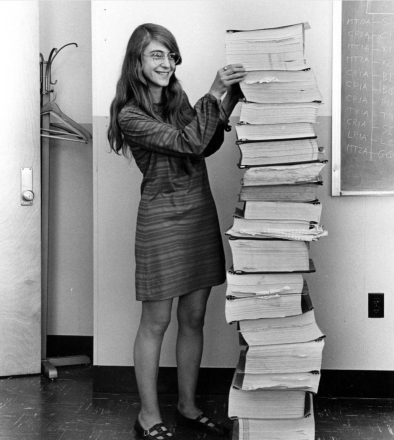
인류의 달 착륙 뒤에 있었던 여성 과학자…마거릿 해밀턴, 90세로 별세
1969년 7월 20일, 인류가 처음 달에 발을 내디딘 역사적인 순간에는 보이지 ... -

오바마 “책은 세상을 보는 방식을 바꾼다”…인생 바꾼 6권 다시 읽는다
버락 오바마 전 미국 대통령이 자신에게 깊은 영향을 준 책들을 다시 펼친다... -

UN 인권사무소, 말리 원주민 지도자 우무 디코 조명… “기후 정의와 원주민 권리 향상에 앞장”
유엔 인권사무소(UN Human Rights)가 7일 저녁 공식 X 계정을 통해 말리 출...
오피니언
more +-
![[강윤영의 사람을 살리는 콘텐츠] ② 불안의 시대, 나는 무엇을 선택할 것인가](/data/news/202610/news_1791762330.1.jpg)
[강윤영의 사람을 살리는 콘텐츠] ② 불안의 시대, 나는 무엇을 선택할 것인가
우리는 매일 수많은 정보를 만난다. 인공지능이 인간을 ... -
![[이경미의 AI와 미래공간 ①] AI가 바꾸는 공간, 인간의 삶](/data/news/202610/news_1791611453.1.jpg)
[이경미의 AI와 미래공간 ①] AI가 바꾸는 공간, 인간의 삶
사무실 책상에 앉아 인공지능(AI)과 함께 제안서를 작성하는 풍경은 이... -
![[용석광의 컴플라이언스와 ESG] ㉜ CP 우수기업 인센티브 체계와 과징금 감경 규정: 준법경영이 가져다주는 강력한 재무적·행정적 혜택](/data/news/202610/news_1791586353.1.png)
[용석광의 컴플라이언스와 ESG] ㉜ CP 우수기업 인센티브 체계와 과징금 감경 규정: 준법경영이 가져다주는 강력한 재무적·행정적 혜택
공정거래 자율준수 프로그램(CP) 우수기업에 대한 인센티브는 상징적 포상이... -
[서정태의 ESG현장클리닉④] 중소기업의 공급망 ESG 평가대응, ESG 대응 체계 구축이 중요하다.
최근 ESG는 대기업이나 상장기업만의 과제가 아니다. 해외 바이어와 대기...
기획 / 탐방
more +-
![[ESG탐방] 농업 생산지가 관광 자원으로… 홋카이도 ‘패치워크 로드’와 ‘팜 토미타’가 보여준 농촌 경관의 가치](/data/news/202608/news_1788649267.1.jpeg)
[ESG탐방] 농업 생산지가 관광 자원으로… 홋카이도 ‘패치워크 로드’와 ‘팜 토미타’가 보여준 농촌 경관의 가치
일본 홋카이도 비에이의 ‘패치워크 로드’와 나카후라노의 ‘팜 토미... -
![[ESG탐방] 화산 지질이 만든 지하수의 흐름… 비에이 ‘시로가네 폭포’가 보여준 자연자산의 가치](/data/news/202608/news_1788185750.1.jpeg)
[ESG탐방] 화산 지질이 만든 지하수의 흐름… 비에이 ‘시로가네 폭포’가 보여준 자연자산의 가치
일본 홋카이도 비에이정의 시로가네 온천 지역에는 화산 지질과 지하수가 ... -
![[ESG탐방] 방재시설에서 관광자원으로... 자연과 함께 만들어진 홋카이도 비에이 ‘청의 호수’](/data/news/202608/news_1788183380.1.jpeg)
[ESG탐방] 방재시설에서 관광자원으로... 자연과 함께 만들어진 홋카이도 비에이 ‘청의 호수’
일본 홋카이도 비에이정에 위치한 청의 호수(아오이이케·青い池)는 처... -
![[ESG탐방] 아사히카와 디자인센터, 지역 산업을 지속가능한 자산으로 연결](/data/news/202608/news_1788189582.1.jpeg)
[ESG탐방] 아사히카와 디자인센터, 지역 산업을 지속가능한 자산으로 연결
일본 홋카이도 아사히카와시는 가구와 목공산업이 발달한 도시다. 홋카이도의 ...
포토뉴스
more +-

누구를 위한, 무엇을 위한 전쟁인가...가자지구에서 들려오는 마지막 외침
3일 (목요일) 가자지구는 또 다시 피로 물들었다. 이스라엘의 공습과 총격으로 단 이틀 만에 94명의 팔레스타인 민간인이 목숨을 잃었고, 이들 중 절반 가까운 45명은 단지 굶주림을 피하려 식량 배급소로 향하던 길에 있었을 뿐이라고 외신은 전했다. 병원 시체 안치실에서 자녀의 시... -
![[갤러리] 청년 환경예술가 오유나의 'Fragments of Self'](/data/news/202609/news_1790638962.1.jpg)
[갤러리] 청년 환경예술가 오유나의 'Fragments of Self'
〈Fragments of Self〉를 처음 구상했을 때 저는 무의식과 내면에 존재하는 여러 모습의 ‘나’를 보여주고 싶었습니다. 하나의 얼굴만으로는 경험과 기억, 감정에 따라 달라지는 저 자신을 설명하기 어렵다고 느꼈습니다. 그래서 여러 자화상과 신체, 방의 이미지를 겹쳐 하나의 인물을 만들기... -
![[갤러리] 청소년 환경예술가 이호석의 '대지의 호랑이'](/data/news/202608/news_1787014046.1.jpg)
[갤러리] 청소년 환경예술가 이호석의 '대지의 호랑이'
이 그림의 제목은 「대지의 호랑이」입니다. 저는 평소 호랑이를 좋아하고 강하고 멋있는 소재에 관심이 많아 호랑이를 작품의 주인공으로 선택했습니다. 이번 작품에서는 멸종위기종인 호랑이를 숲과 연결하여 자연과 환경에 대한 이야기를 담아보고 싶었습니다. 저는 호랑이가 건강하게... -
![[갤러리] 청소년 환경예술가 구시원의 '코끼리 가족의 약속'](/data/news/202607/news_1783294720.1.jpg)
[갤러리] 청소년 환경예술가 구시원의 '코끼리 가족의 약속'
저는 평소 코끼리를 가장 좋아해서 이 작품을 그리게 되었습니다. 코끼리는 초식동물 중에서도 몸집이 크고, 길고 힘있는 코와 멋진 상아를 가진 특별한 동물이라고 생각합니다. 그래서 다른 동물들보다 더욱 멋있고 매력적으로 느껴져 이번 작품의 주인공으로 선택했습니다. 그림을...